Mechanic: Acting
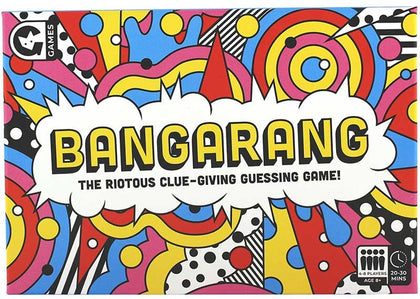
Acting mechanisms require players to perform physical gestures, charades, impersonations, or vocal impressions to communicate information—usually words, phrases, or concepts—to teammates without speaking directly. At the table, this creates high-energy moments of laughter and creative interpretation as players commit to exaggerated performances while racing against timers. These games appeal to extroverted groups, party-game enthusiasts, and families who enjoy uninhibited silliness over strategic complexity. Bangarang exemplifies this mechanic by combining charades with competitive team scoring, rewarding players who can think quickly and perform confidently under pressure.
Acting games suit medium to large groups (typically 4+ players) who value social interaction and humor over tactics. Expect light rules, fast rounds, and minimal setup—the focus stays on performance rather than planning. Players comfortable with public speaking and physical comedy tend to shine, though reluctant performers often warm up after a round or two. This mechanism works best when everyone commits fully to the absurdity, making it ideal for icebreakers, casual gatherings, and groups that prioritize laughter over winning.